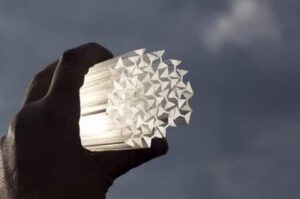
The use of opaque Acrylic (PMMA – Polymethyl Methacrylate) currently represents the leading technical solution for managing light and aesthetics in industrial applications. In the plastic materials market, the term “opaque” identifies a wide range of non-transparent finishes achieved through the integration of dispersing agents or specific surface treatments. In precision extrusion, this category branches into specialized solutions: from frosted PMMA for LED control, to diffusing opal, up to high-density opal white for structural design.
The three technical variants of opaque acrylic
To correctly design a plastic component, it is essential to distinguish between different opacification technologies, each calibrated for specific Haze (turbidity) and diffusion requirements:
1. Frosted PMMA (Satin / Matte)
This finish is characterized by a surface micro-roughness that provides a “frost” or satinice effect.
- Function: It breaks the light beam through volumetric diffusion without the use of masking pigments.
- Advantages: Maintains high light efficiency by eliminating LED hotspots. It is a structural finish, anti-fingerprint, and scratch-resistant.
2. Opal Acrylic (Light Opal)
Obtained by incorporating a calibrated dose of white masterbatch into the transparent PMMA resin (Plexiglas).
- Aesthetics: Can be produced with a glossy or matte (satin) surface.
- Application: The core of professional lighting, as it hides internal electronic components while providing soft, dense light.
3. Opal White (High Density)
Characterized by a high concentration of white pigments that drastically reduce light transmission.
- Use: Primarily employed in the furniture and interior design sectors, retail, and displays: protective screens for exhibition units.
- Characteristics: The material appears solid and textured (ceramic effect), ideal for decorative profiles where the component must look solid and structural, available in both glossy and matte versions.
Comparative table: performance and properties of finishes
| Feature | Frosted PMMA (Satin) | Opal PMMA (Light Opal) | Opal White (High Density) |
|---|---|---|---|
| Visual appearance | Translucent, velvety touch (frost effect) | Diffusing milk white (glossy or matte) | Solid, ceramic effect (glossy or matte) |
| Light transmission (Lt) | High (85% – 92%) – Best for LEDs | Medium (50% – 75%) – Great diffusion | Low (< 20%) – Aesthetic use |
| Scratch resistance | Very High (roughness masks wear) | High (in the matte surface version) | Medium (marks visible on solid white) |
| Key sector | Technical Lighting / LED | Lighting / Interior Design | Furniture / Design / Retail |
Technological advantages of opaque acrylic finishes
The integration of these finishes elevates the quality standard of the final product, combining optical efficiency with formal cleanliness.
- Color uniformity: masterbatch distribution ensures that opacity is constant across the entire surface of the extruded profile.
- Visual comfort: the reduction of specular reflections minimizes eye strain in workplace and domestic environments.
- Structural esistance: unlike coatings or paints, the opacity of opaque Acrylic is structural (mass-colored), ensuring that optical properties remain unchanged even in the event of deep abrasions.
“The choice of an opaque finish in PMMA is not merely an aesthetic matter, but a technical necessity to transform point-source light into ambient light, ensuring visual comfort.”
Applications of opaque finishes in technical extrusion
Different types of opaque Acrylic are applied in sectors where light management and design are primary requirements:
- LED and Lighting Sector: integrating frosted and opal finishes into plastic profiles for LED and lighting is essential for creating technical diffusers and anti-glare screens.
- Interior Design and Furniture: applying these finishes to plastic profiles for furniture, cabinets, and kitchens allows for the creation of illuminated decorative elements resistant to scratches and detergents.
- Retail and Display: protective shielding for display units where reflection reduction is crucial for product enhancement.
FAQ: Opaque acrylic and technical finishes
Does opaque Acrylic reduce LED brightness?
Frosted PMMA and light opal are designed to maximize diffusion while minimizing absorption. In contrast, high-density opal white is designed for aesthetic coverage rather than light transmission.
What is the difference between glossy and satin surfaces in an opal profile?
While glossy opal reflects ambient light, the satin (matte) version achieves a velvety finish through the integration of functional additives in the mass. This configuration eliminates surface glare and provides superior anti-fingerprint properties.
Does opaque PMMA yellow outdoors?
No. Thanks to compliance with the ISO 4892 standard, opaque Acrylic is extremely UV-stable. Since the opacity is structural and not a coating, the finish does not degrade over time.
For consultancy, information, or free quotes for plastic profiles and gaskets, please fill out the form.